
The Artist as Philosopher: Why Great Art Begins with Great Ideas
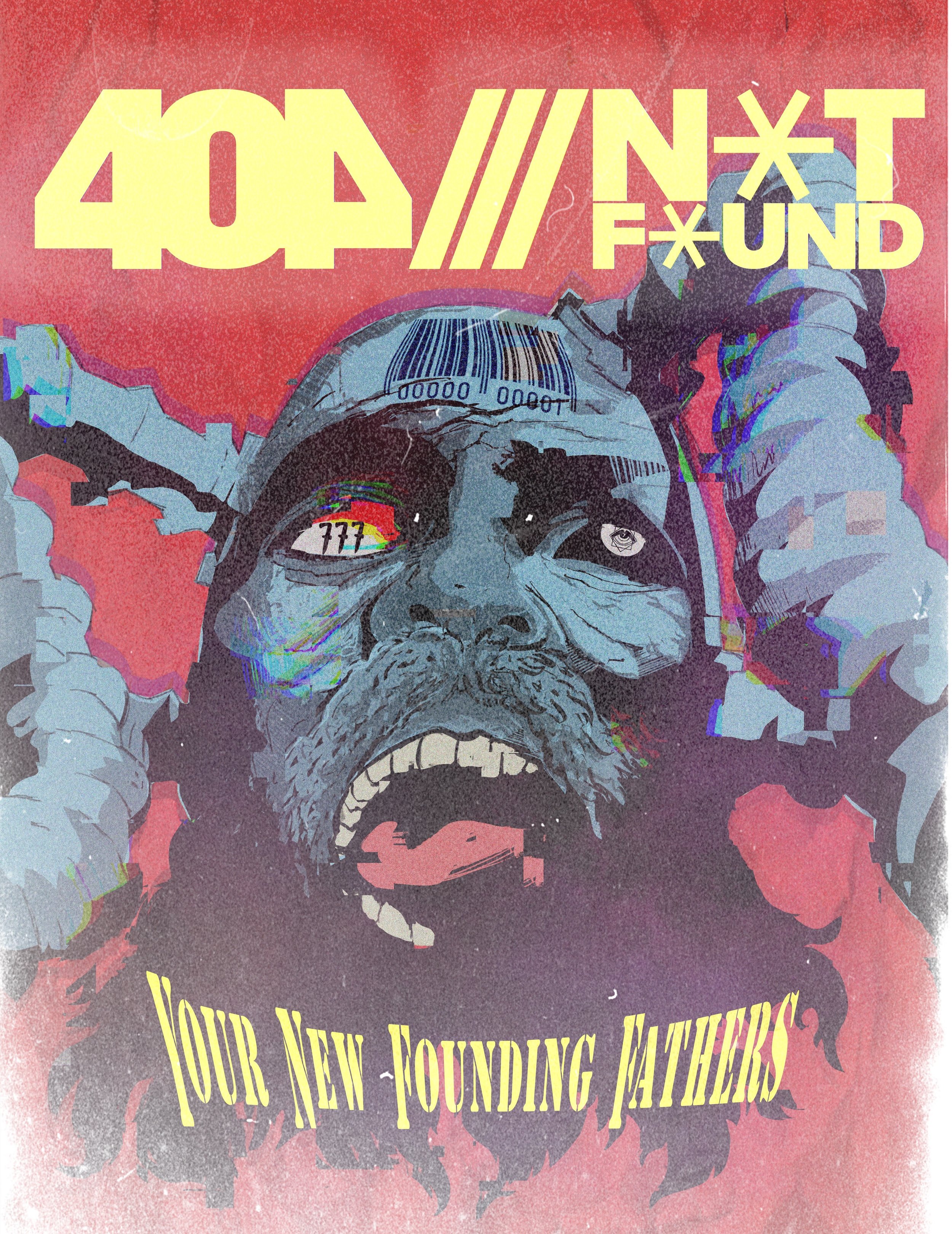
By Rieley Finn | Seven Spirit Media
When people think about philosophy, they often imagine books, lectures, and complex theories. When they think about art, they imagine paintings, illustrations, or sculpture. These disciplines are usually treated as separate pursuits—one focused on ideas, the other on aesthetics.
In reality, they have always been closely connected.
The greatest artists throughout history were not simply skilled craftspeople. They were observers, thinkers, and problem-solvers who used visual language to explore the same fundamental questions that philosophers have examined for centuries. Their work challenged assumptions, questioned reality, and offered new ways of understanding the world.
Art has never been limited to decoration. At its best, it is a way of thinking.
Visual Language as a Form of Thought
Every medium has its own language.
Writers communicate through words. Musicians communicate through sound. Architects communicate through space. Artists communicate through images.
Unlike written language, visual communication allows multiple ideas to exist simultaneously. A single composition can express tension, hope, fear, and uncertainty without relying on a single sentence. Color, composition, symbolism, and contrast work together to create meaning that often extends beyond what words alone can express.
This ability to communicate complex ideas visually is one of the reasons art continues to influence culture across generations.
Symbolism Creates Lasting Meaning
Throughout history, artists have relied on symbolism to communicate ideas that are difficult to explain directly.
A raven may represent death, wisdom, or transformation.
A staircase can symbolize progress, ambition, or the pursuit of knowledge.
Fire may represent destruction, purification, or renewal.
The meaning of these symbols changes depending on context, allowing viewers to bring their own experiences into the interpretation of the work.
Rather than providing a single answer, symbolism encourages reflection. It transforms the viewer from a passive observer into an active participant in the conversation.
The Role of Curiosity
Technical skill is important, but it is only one part of the creative process.
Curiosity is what drives meaningful work.
Many of history's most influential artists devoted as much time to studying mathematics, science, religion, literature, and philosophy as they did to practicing their craft. Their artwork became a reflection of everything they had learned, questioned, and experienced.
Creativity thrives when artists remain curious about the world around them.
The strongest work rarely begins with the desire to create something beautiful. It begins with the desire to understand something more deeply.
Why Original Ideas Matter More Than Ever
Modern technology has transformed the creative landscape.
Artists now have access to digital tools, artificial intelligence, and software capable of producing impressive visual results in a matter of seconds.
As technology becomes more capable, original thinking becomes even more valuable.
Software can assist with execution, but it cannot replace curiosity, perspective, or lived experience. Those qualities remain uniquely human, and they continue to distinguish meaningful creative work from imagery that is technically impressive but conceptually empty.
Ideas remain the foundation of lasting art.
Creativity Is More Than Aesthetic
Whether creating a painting, designing a brand identity, or developing a website, the creative process is fundamentally about solving problems and communicating ideas.
Every visual decision contributes to the message.
Typography influences tone.
Color affects emotion.
Composition guides attention.
Illustration builds narrative.
These principles apply equally to fine art and commercial design. In both cases, success depends on understanding not only how something looks, but also what it communicates.
The Creative Process at Seven Spirit Media
At Seven Spirit Media, we believe effective design begins with thoughtful ideas.
Every logo, website, illustration, or branding project starts with a question:
What story needs to be told?
The answer shapes every creative decision that follows.
Design is not simply about producing attractive visuals. It is about creating meaningful experiences that connect with people, communicate clearly, and leave a lasting impression.
That philosophy guides every project we create.
Final Thoughts
The relationship between art and philosophy has existed for thousands of years because both disciplines pursue the same objective: understanding the world and communicating new perspectives.
Artists simply use a different language.
Great design, meaningful illustration, and compelling visual storytelling all begin with curiosity. They challenge assumptions, encourage reflection, and inspire new ways of thinking.
In the end, the most memorable creative work is not defined by technical perfection alone. It is defined by the strength of the ideas behind it.
At Seven Spirit Media, that belief continues to shape everything we create.
Explore 404 N*t F*und, Seven Spirit & the Full Content Ecosystem:
Website Portfolio: https://rieleyfinn.com/
YouTube: https://www.youtube.com/@404-Nt-Found
Medium: https://medium.com/@rieleyfinn
Substack: https://substack.com/@rieleyfinn
TikTok: https://www.tiktok.com/@sevenspiritmedia
Instagram: https://www.instagram.com/sparrow_finn/
Pinterest: https://www.pinterest.com/sparrow_finn/_profile/
X (Twitter): https://x.com/RieleyFinn